Pulp Therapy – Chesterfield, MO
Treating Decay & Damage to Your Little One’s Smile
Has your child recently experienced a major dental injury? Are they complaining about a toothache? Whether your little one is struggling with damage or decay in their teeth, our team can help resolve the issue with pulp therapy in Chesterfield. With this treatment, we’ll be able to remove the decayed or damaged particles so that they can regain a comfortable, healthy, and strong bite! Keep reading to learn more or give us a call today to schedule their appointment.
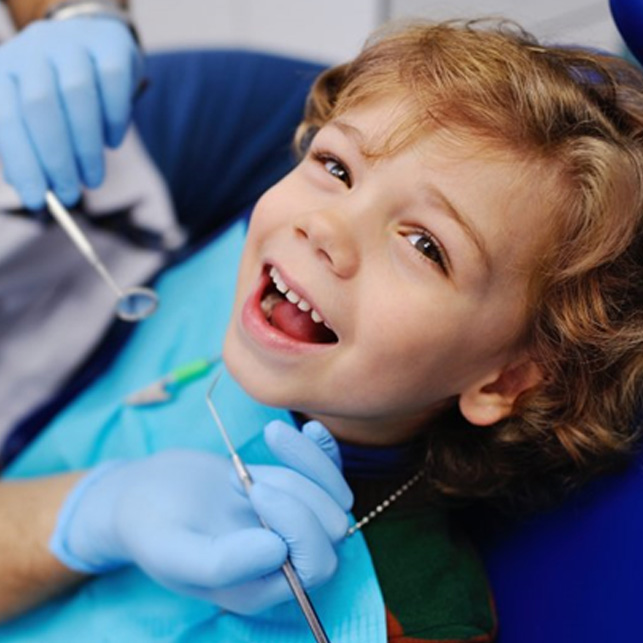
Why Choose Homer Sedighi, DMD for Pulp Therapy?
- Sedation Dentistry Available for Maximum Comfort
- Evening & Weekend Hours Available
- Pediatric Dentist with Decades of Experience
Does My Child Need Pulp Therapy?
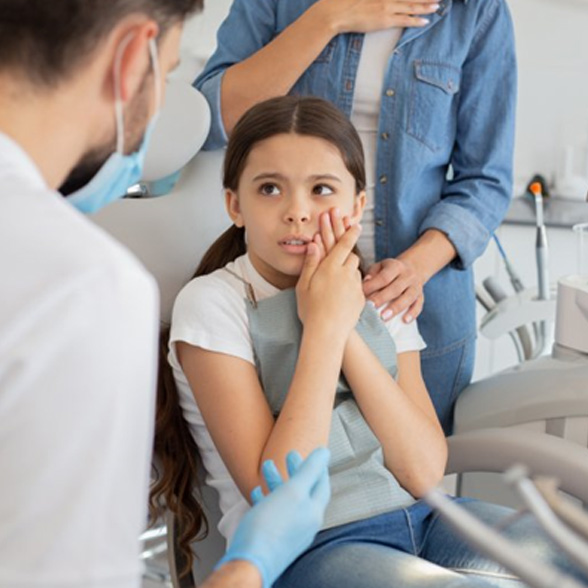
One of the biggest reasons your child may require pulp therapy is due to oral discomfort. Even if you aren’t able to see what the issue is while they’re pointing to the area of pain, the problem could be within the tooth itself and closer to the nerve endings. Some of the indications of needing this treatment include:
- Swelling or redness surrounding the affected tooth
- Constant unexplained discomfort
- Pain during the night
- Loosened tooth
- Sensitivity to cold or hot food temperatures
The Pulp Therapy Process
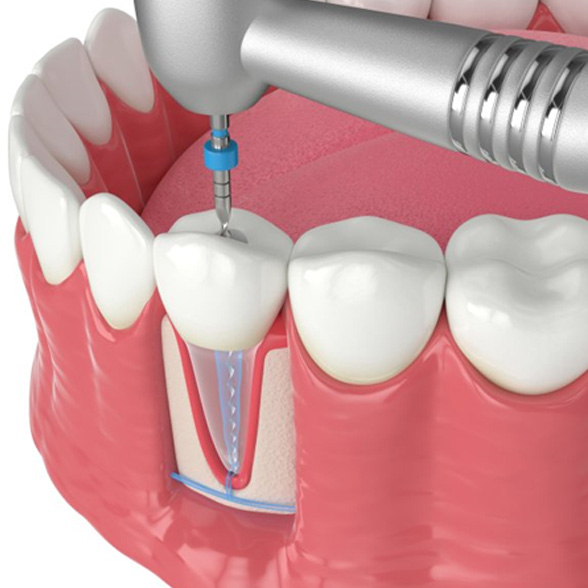
You’ll first bring your little one to our dental office so that we can thoroughly evaluate their mouth and detect the underlying issue. Once we’ve determined if pulp therapy is necessary, we’ll walk you through the different types of this treatment that we can perform. Regardless of the specific kind, the procedure will be designed to rid them of any infected pulp tissue. A pulpotomy is mostly reserved for baby teeth, as it only treats the pulp in the crown. In more mature teeth, a pulpectomy may be required, which is meant to remove the entire pulp.
Our team will provide your child with a local anesthetic before starting anything so that they remain pain-free. We can also offer sedation dentistry to help them stay relaxed and calm during their procedure. We will then meticulously remove the decayed and damaged tissue from within the inner chamber before closing it off with a tooth-colored filling. For some patients, we may even place a dental crown for further protection.
The Benefits of Getting Pulp Therapy
Removing a tooth might seem to be the least complicated option in these situations, but this couldn’t be further from the truth. Even if it’s your child’s baby tooth, extracting it prematurely can introduce complications to the rest of their smile, as their other teeth might move out of place to fill the gap. This means they can end up with orthodontic problems, which can lead to more costly treatment. To avoid needing to spend more money than necessary, it’s best to simply have your little one undergo pulp therapy so they can maintain their healthy smile.
Understanding the Cost of Pulp Therapy
The cost of pulp therapy depends on a few factors. Before we start your child’s treatment, we can provide a detailed cost estimate and make sure you understand your payment options. Even though this procedure might seem a bit pricey, it is an excellent value due to the many potential benefits it offers!
Factors That Can Affect Pulp Therapy Cost
Some factors that may influence the cost of your child’s pulp therapy include:
- The specific tooth that requires treatment. Some teeth are more difficult to access and have more complex anatomy than others. Therefore, they may incur higher fees.
- Whether we perform a pulpotomy or pulpectomy. These two procedures are slightly different. Because a pulpectomy is more complex, it may lead to a higher overall cost.
- The use of sedation. We sometimes sedate our patients to make them as comfortable as possible during pulp therapy. Sedation comes with its own fee.
- Additional care. Some patients require the placement of a dental crown after the completion of their pulp therapy.
Is It Cheaper to Pull My Child’s Tooth?
The upfront cost of a tooth extraction tends to be lower than that of pulp therapy. However, it is important to think about both cost and value.
Pulp therapy can preserve a tooth, which means it may stay in its place until it is ready to fall out naturally. This protects the development of incoming adult teeth. Allowing your child to keep their tooth also gives them the ability to enjoy the greatest chewing power possible, and it may spare them from feeling self-conscious about having a missing tooth for a prolonged period of time.
Does Dental Insurance Cover Pulp Therapy?
Very often, dental insurance covers at least a portion of the cost of pulp therapy. Depending on your family’s policy and the details of your child’s treatment plan, their procedure might be anywhere from 50% to 80% covered. Even though our practice is not in-network with any insurance plan, we will still be happy to help you file claims so you can get the benefits that you are entitled to.
Other Options for Making Pulp Therapy Affordable
We do not want you to be overly stressed about paying for your child’s care, so feel free to talk to our friendly team about any budgetary concerns that you may have. We will be happy to explain our payment policies. We generally expect payment in full within 60 days of any given treatment. If you require some flexibility, let us know so we can consider other arrangements.
Pulp therapy has the potential to end your child’s toothache and protect their oral health! If you would like to learn more about this treatment and its cost, reach out to our Chesterfield, MO, team today. We look forward to speaking with you!
Pulp Therapy FAQs
What Is Dental Pulp?
The dental pulp is the interior of the tooth that is present under the protective enamel and the dentin. The pulp is what connects the tooth to the root system that keeps the tooth alive. Dental pulp is comprised of a mix of water, tissue, nerves and blood vessels. In a healthy tooth, one can’t see or feel the pulp. However, when a tooth becomes damaged, the pulp can become exposed, causing pain and sensitivity.
Is Pulp Therapy Safe for Children?
Dental pulp therapy is a safe procedure for children. It is only used when absolutely necessary to save a damaged tooth from extraction. Before performing pulp therapy, their dentist will numb the area with a local anesthetic that they are perfectly comfortable throughout the duration of the procedure. Pain medication may be prescribed afterward to help your child feel comfortable as the affected tooth heals.
Can My Child Eat Before Pulp Therapy?
If your child is receiving sedation for their treatment, they may need to fast a few hours to reduce their risk of nausea. If they aren’t undergoing sedation, it is recommended that they eat a healthy meal at least a couple of hours before their procedure. This is because their mouth will be numbed during their procedure, so it’s difficult to eat until this wears off.
Can My Child Take Antibiotics Instead of Getting Pulp Therapy?
Antibiotics are great at treating bacteria infections in pretty much every other area of the body, but they do not work on tooth infections. Antibiotics travel through the bloodstream to target infections in the body, but the bloodstream does not reach the pulp of the tooth. Therefore, antibiotics do not eliminate tooth infections. When a child’s tooth’s pulp is infected, it must be either extracted or treated with pulp therapy.
Is Pulp Therapy Covered by Insurance?
Dental insurance mainly covers routine care like cleanings and checkups. However, most plans will cover a portion of the cost of restorative procedures after your deductible has been met. Pulp therapy is usually covered up to 50% by dental insurance.
How long does it take to recover from a pulp therapy?
Although the exact length of recovery varies from child to child, most patients can return to school the day after their procedure. However, because vigorous physical activity can make the healing process take longer by diverting the blood from the site, it is advised that they take it easy for the next two or three days. To that end, encourage them to play gently, and take a few days off from participating in physical education activities while they heal.
During this time, they should eat only soft foods and chew on the opposite side of the mouth as the tooth that had the procedure.
They can brush and floss as normal but be sure to be gentle around the treated tooth.
If they experience pain that gets worse instead of improving after about three days, or if you notice any signs of infection such as a fever or swelling, please call us immediately.
How much pain is normal after pulp therapy?
While the pulp therapy procedure itself shouldn’t hurt, some discomfort and soreness over the next few days is perfectly normal.
Once the numbness wears off, your child will likely experience some mild pain and sensitivity, but it should only be temporary. In most cases, over-the-counter pain relievers like acetaminophen or ibuprofen should be enough to alleviate it.
Be sure to remind your child to avoid chewing any hard foods during their recovery process, as this could worsen their discomfort.
The pain should start to subside on its own after about three days, but if it doesn’t, call their dentist as soon as possible.
How long does pulp therapy last?
Pulp therapy in Chesterfield has a remarkably high success rate. Most teeth that have received pulp therapy go on to provide full chewing function for many years, or until they exfoliate on their own.
The longevity of your child’s pulp therapy treatment depends on a variety of factors, including the extent of the damage to the tooth and how much time elapsed between placing the temporary crown or filling. If too much time has passed, it may be vulnerable to reinfection.
To help your child’s root canal last as long as possible, be sure to follow their dentist’s aftercare instructions and encourage them to practice excellent oral hygiene going forward.
How long does pulp therapy take?
Pulp therapy treatment in Chesterfield can usually be completed in just one appointment, but it may sometimes take two. The length of your child’s treatment can range anywhere from 30 to 90 minutes or more, depending on the location of the tooth within their mouth.
Molars (the teeth located in the back of the mouth) have more root canals that must be disinfected than front teeth. Generally, the farther back in the mouth the tooth is situated, the longer your child’s pulp therapy procedure will take.